
How to Store Coffee Beans: The Complete Guide to Keeping Them Fresh
Knowing how to store coffee beans is the easiest way to get better coffee without buying any new gear. Air, light, heat and moisture are what make roasted beans go stale, so the goal is simple: keep all four away from your beans. This guide shows you what to do, what to avoid and which containers make it easy.
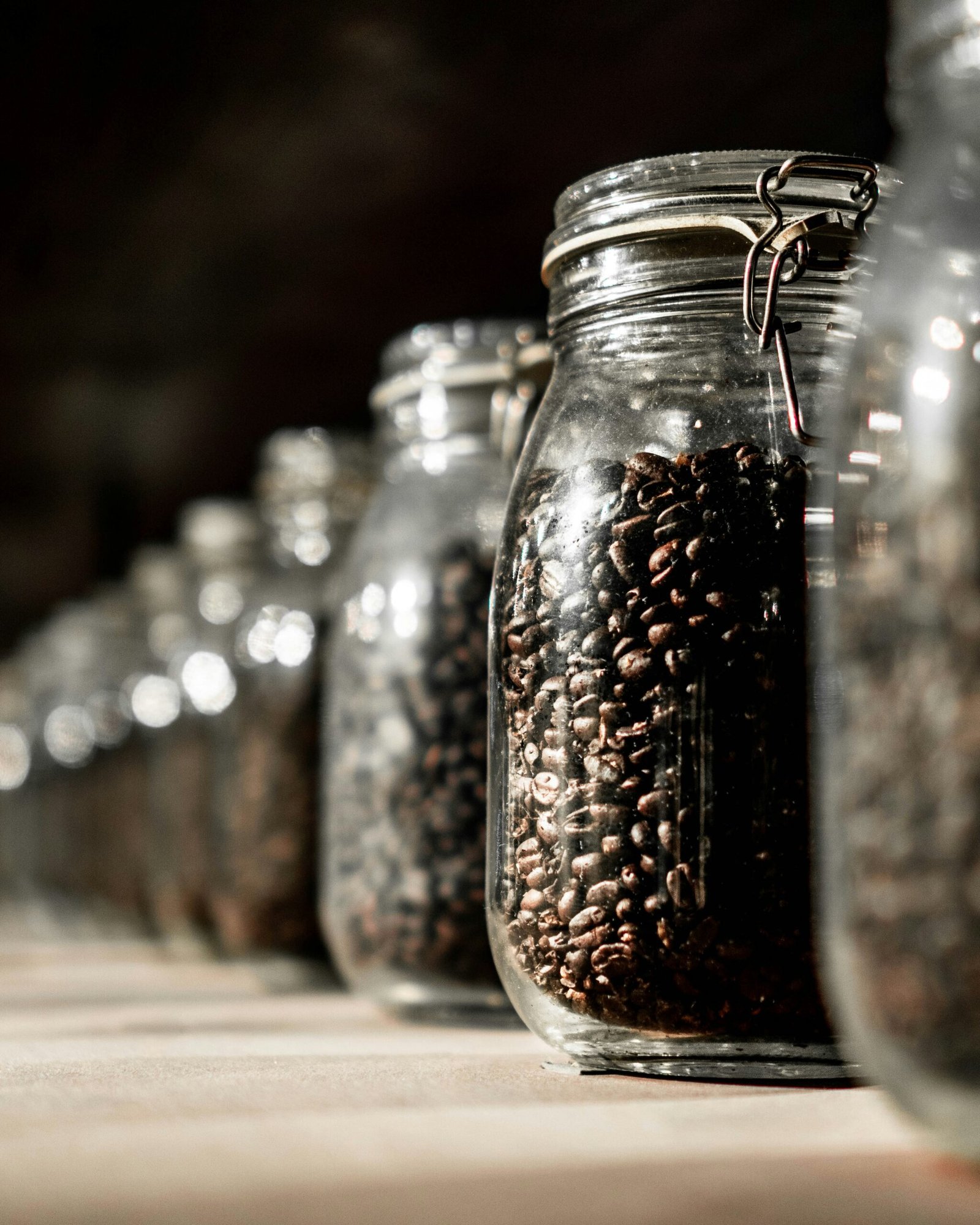
You can buy excellent beans and still end up with a flat, dull cup if they spend two weeks in the wrong spot.
The good news is that how to store coffee beans is not complicated. You do not need expensive equipment, just a few habits you can start today. Below you will find a quick answer, the reasons beans go stale, four storage rules with examples, the right place to keep your container and a simple step by step routine. If you already own a grinder, a scale and a brewer, this is the cheapest upgrade left in your home barista setup.
How to Store Coffee Beans: The Quick Answer
The short version: put your beans in an airtight, opaque container and keep it in a cool, dry cupboard, away from the stove, the oven and sunny windows. Buy whole beans in small amounts, grind only what you need for each brew and freeze any extra bag you will not finish within a few weeks. Here is how the common storage spots compare.
| Storage Spot | Verdict | Why |
|---|---|---|
| Airtight, opaque container in a cool cupboard | Best Choice | Blocks air and light and keeps the temperature steady |
| Original bag with a one way valve, rolled and clipped | Short Term | Fine for a week or two, but the seal is rarely perfect once opened |
| Freezer, in small sealed portions | Long Term Only | Useful for extra bags you will not finish in a few weeks |
| Clear jar on the counter | Avoid | Light and kitchen heat make beans lose flavor faster |
| Grinder hopper | Avoid | Beans sit in light and open air, so only load what you will grind today |
| Refrigerator | Avoid | Moisture, food odors and condensation each time you open the container |
Why Coffee Beans Go Stale
Roasting fills beans with aromatic compounds and trapped carbon dioxide. From the day of roasting those compounds slowly fade, and four things speed the process up:
- Air: oxygen reacts with the oils and flavor compounds in the beans, which dulls the aroma and can leave a taste like cardboard.
- Light: sunlight and bright kitchen lights speed up the same changes.
- Heat: warm spots, such as beside the stove or on top of an espresso machine, make beans age faster.
- Moisture: beans absorb humidity and odors, which flattens the flavor and can lead to mold if they get wet.
Whole beans protect their flavor better than ground coffee because far less surface is exposed to air. That is why grinding right before you brew matters so much. Freshly roasted beans also release carbon dioxide for days after roasting, which is the reason many bags have a one way valve. Look for the roast date on the bag, not only a best by date, and plan to use your beans within a few weeks of that date. That is why how to store coffee beans matters as much as which beans you buy. For more on coffee quality, the Specialty Coffee Association is a helpful resource.
4 Rules for Storing Coffee Beans at Home
These four rules are the core of how to store coffee beans well, whether you make espresso or filter coffee. Each one has a simple fix.
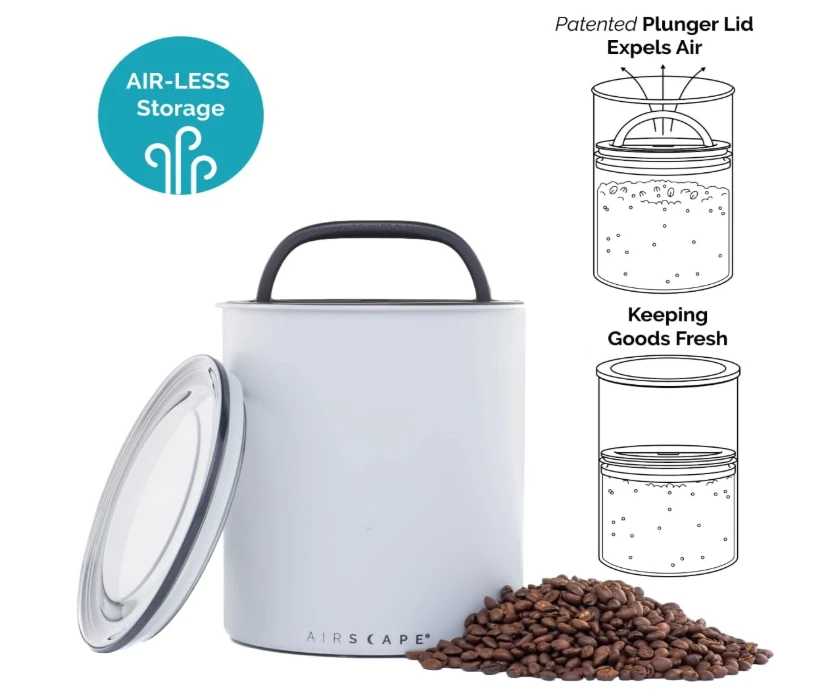
1. Use an Airtight Container
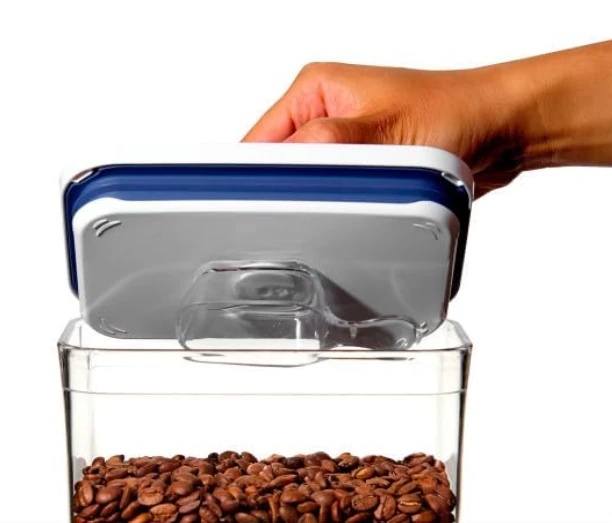
Oxygen is the main reason beans lose their aroma. Once a bag has been opened, a fold or a zip does very little to keep air out, so move the beans into a container with a proper seal as soon as you can.
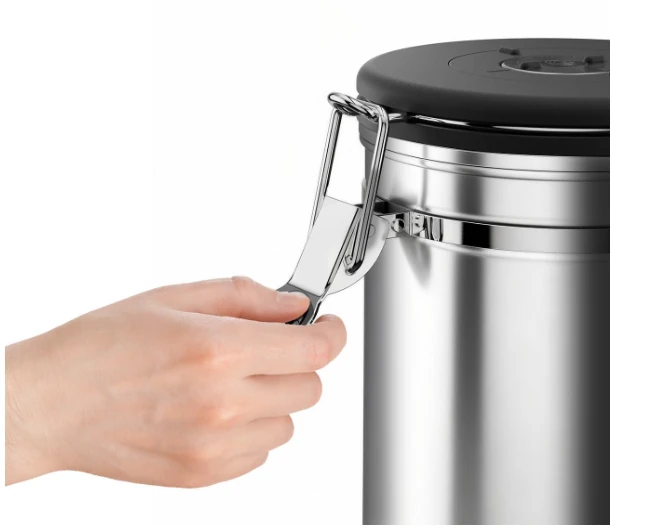
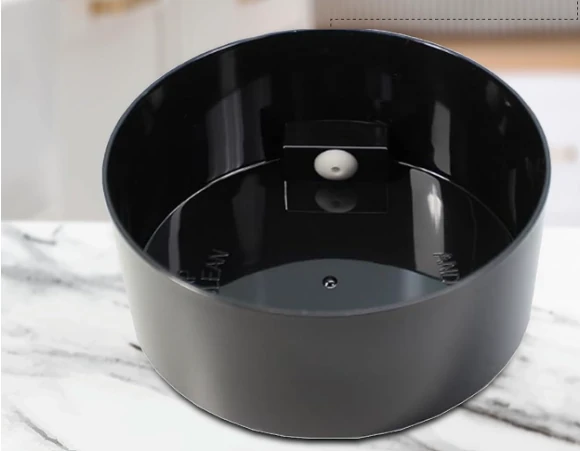
Check the lid before you buy. A gasket that closes all the way around, and a lid that clamps or twists tight, matter more than any other feature.
- A silicone or rubber gasket that seals fully
- A clasp, twist or vacuum lid that locks tight
- A wide opening for easy filling and scooping
- A material that does not hold on to old smells
Do
- Transfer beans to a sealed container once the bag is open
- Close the lid right after each scoop
Avoid
- Leaving the bag folded over and unclipped
- Lids with worn or missing seals
2. Keep Beans Away From Light
Light speeds up the changes that make coffee taste flat. An opaque canister, such as stainless steel, blocks it completely.
A clear glass jar can still work if it lives in a closed cupboard. The problem is not the glass itself but a jar that sits on a bright counter all day.
- Opaque walls, or a clear jar kept in a dark cupboard
- No spot near a window or under strong lights
- A lid you can close with one hand while you brew
Do
- Choose steel, ceramic or tinted containers
- Store clear jars inside a cupboard
Avoid
- Display jars on a sunny windowsill
- Leaving the lid open while you set up your brew
3. Match the Container to Your Bag Size
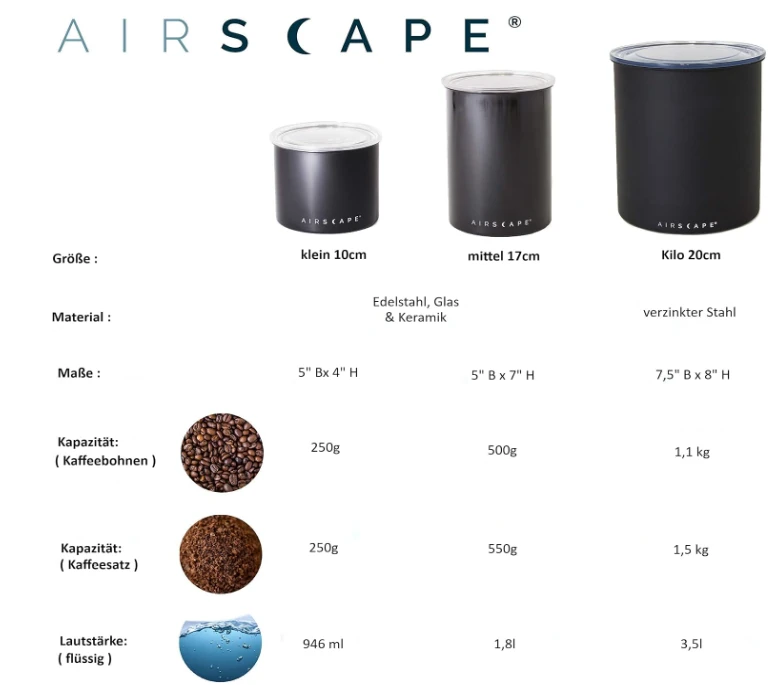
Empty space inside a container is trapped air. If you buy a 12 oz (340 g) bag and pour it into a very large canister, most of the volume is air that touches your beans every day.
Pick a size close to the amount of coffee you actually buy. Some containers are sized for a full 16 oz (500 g) of beans, while smaller ones suit a single bag.
- Capacity close to the weight of your usual bag
- Two small containers instead of one large one if you buy in bulk
- A freezer portion for any extra bags
Do
- Check capacity before you order
- Fill the container most of the way
Avoid
- Oversized canisters that leave lots of air around the beans
4. Use Features That Help
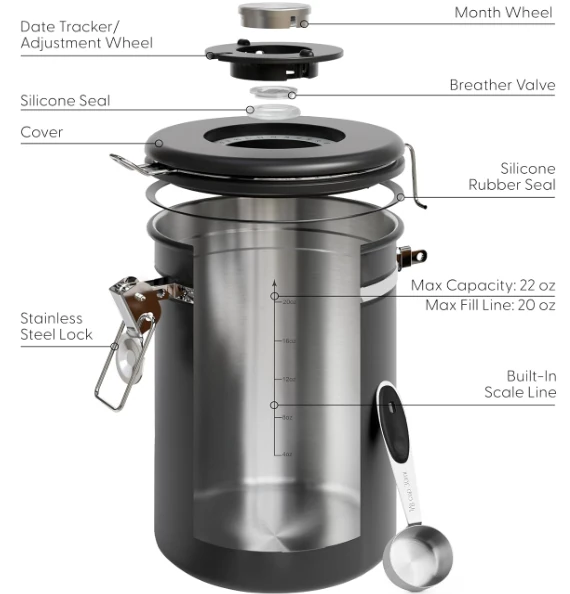
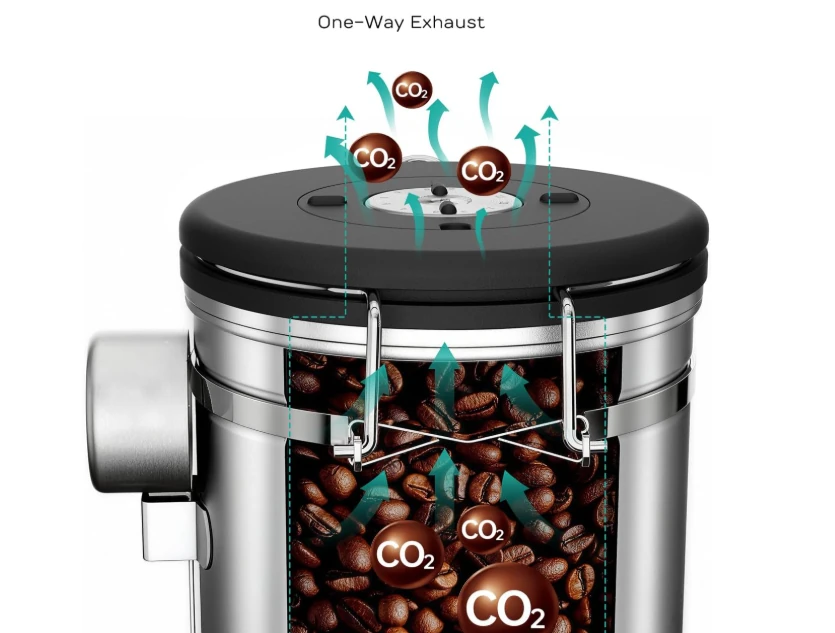
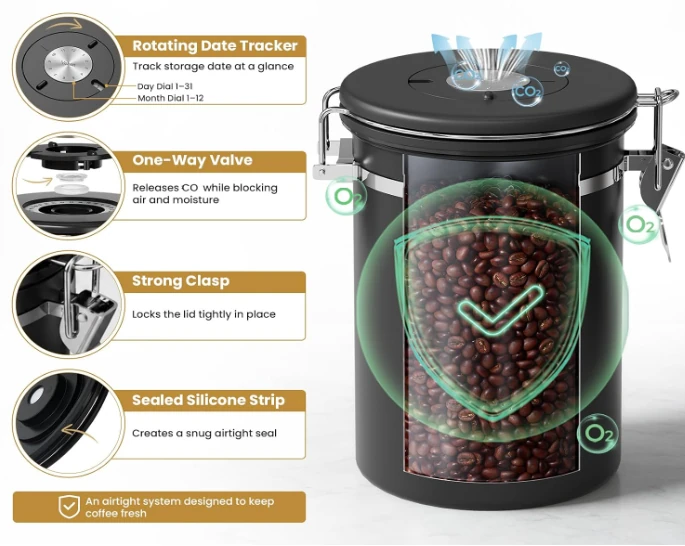
A few extras make good habits easier. A one way valve lets gas escape from very fresh beans without letting air back in. A vacuum or plunger lid pushes air out as you close it, and a date tracker reminds you when you opened the beans.
None of these are required, but they are handy if you buy fresh roasted coffee often or rotate between several bags.
- One way CO2 valve for freshly roasted beans
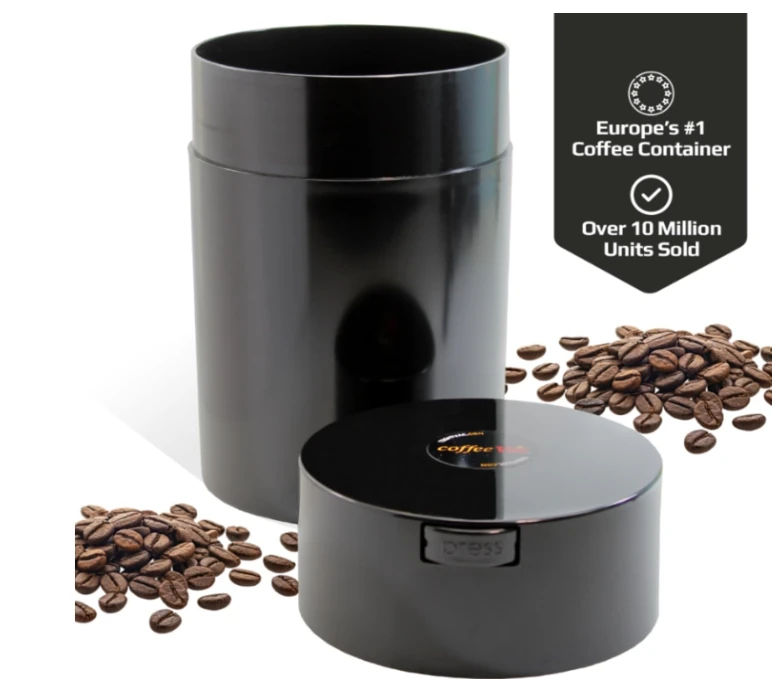
- Vacuum or plunger lid to push out extra air
- Date tracker or space to write the roast date
Do
- Note the roast or opening date on the container
- Use the valve or vacuum feature as intended
Avoid
- Paying extra for features you will not use
Where to Keep Your Coffee Beans (and Where Not To)
When people ask how to store coffee beans, location is the part most often overlooked. The best spot is a cool, dry, dark cupboard or pantry, away from heat. Avoid the shelf above the stove, the space next to the oven or dishwasher, and the top of your espresso machine, even though it is convenient. Those places run warm and cause beans to age faster.
The grinder hopper is another common mistake. Hoppers are not airtight and are often clear, so leave only the amount you plan to grind that day. Return anything left over to your sealed container.
What about the fridge? Skip it. A refrigerator is humid and full of food odors, and a cold container brought into a warm kitchen collects condensation on the beans each time you open it.
What about the freezer? Freezing is the one exception in how to store coffee beans for the long term. It can work well for extra bags you will not finish within a few weeks, if you do it carefully:
Do
- Split beans into small portions, one bag or container per week of coffee
- Press out the air and seal tightly before freezing
- Let a portion thaw sealed on the counter before you open it
- Take out one portion at a time
Avoid
- Freezing and thawing the same bag again and again
- Opening a frozen bag, which lets moisture settle on the beans
- Storing beans loose in a container shared with other foods
How to Store Coffee Beans Step by Step
Here is a simple routine you can follow every time you buy a new bag:
- Buy whole beans with a roast date, in an amount you will finish within a few weeks.
- Let very fresh beans rest for a few days if your roaster recommends it, since they are still releasing gas.
- Pour the beans into a clean, completely dry airtight container, or reseal the bag tightly if you will finish it quickly.
- Write the roast date or the day you opened the bag on the container or on a piece of tape.
- Store the container in a cool, dark cupboard away from the stove, oven and windows.
- Weigh only what you need, close the lid straight away and grind just before you brew.
- Freeze extra beans in small sealed portions and thaw them sealed when you are ready to use them.
Weighing each dose on a coffee scale also means the container is open for only a few seconds. Between bags, wash the container with warm water and mild soap, then dry it completely. Oils left on the walls can turn rancid over time and affect the next batch. Grinding fresh from whole beans is the other half of the equation, so see our guides to the best coffee grinders for espresso and the best manual coffee grinders.
Coffee Bean Containers Worth Considering
You do not need a special canister to follow the rules for how to store coffee beans, but a good one makes the habit easier. These containers come from our best coffee storage containers guide, along with what each one offers for keeping beans fresh.
| Container | What It Offers for Storage | ||
|---|---|---|---|
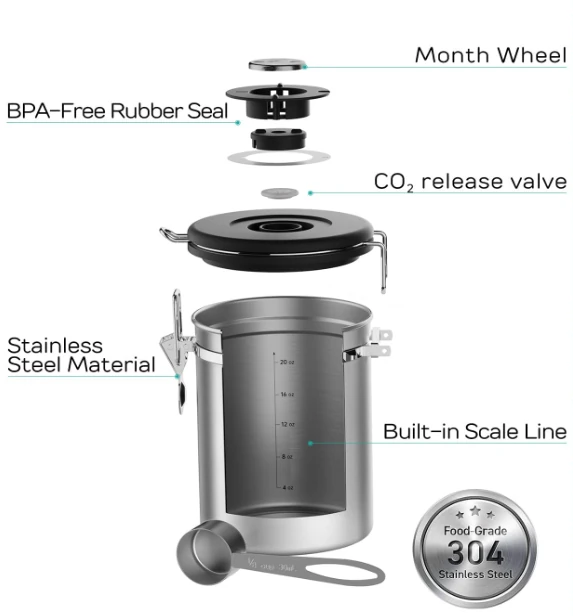 |
Coffee Gator Stainless Steel Canister | Stainless body blocks light, with a CO2 release valve, rubber seal and a month wheel to track the date | Check Price |
|
Veken Coffee Canister | Date tracker, breather valve and a silicone seal in one canister | Check Price |
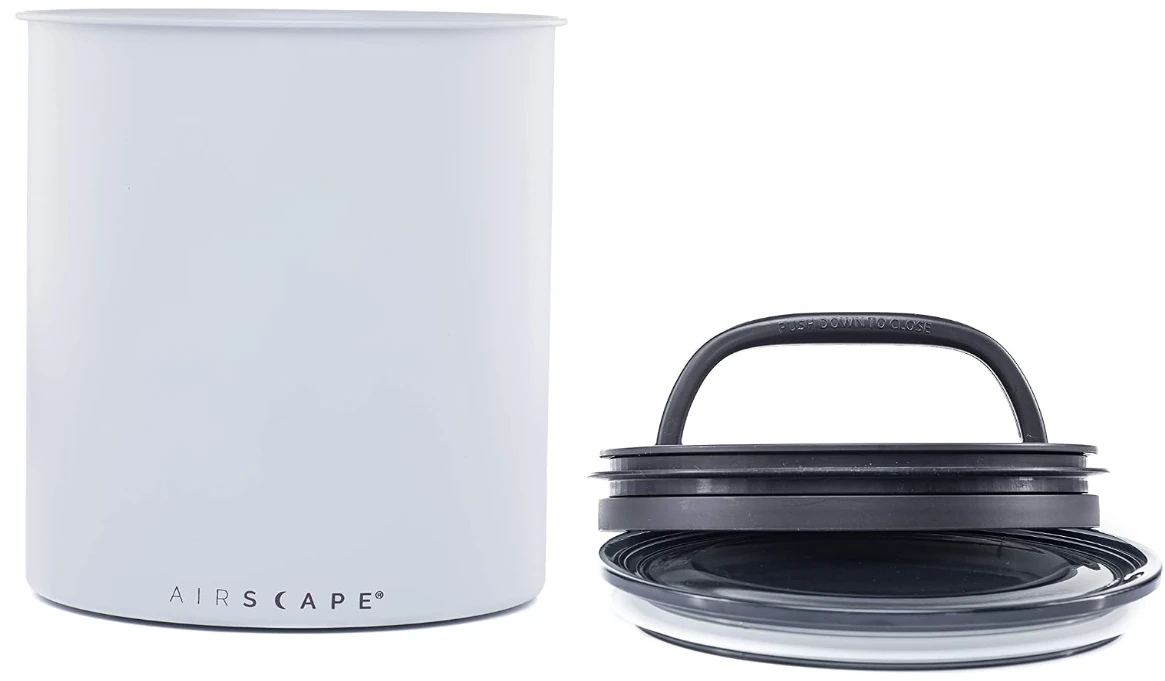 |
Planetary Design Airscape | A plunger style inner lid that presses air out, in a galvanized steel body | Check Price |
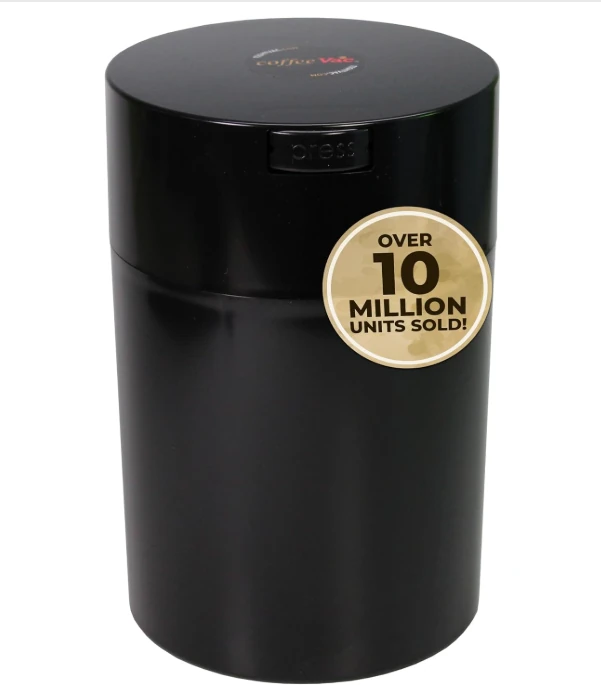 |
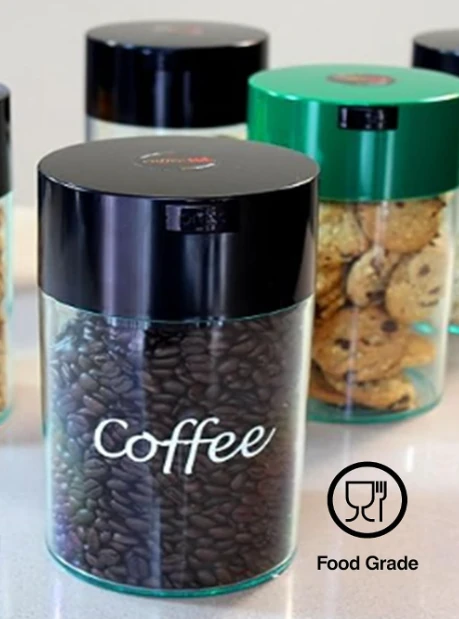
Coffeevac Vacuum Container | A vacuum seal valve in the lid, sized for 16 oz (500 g) of coffee | Check Price |
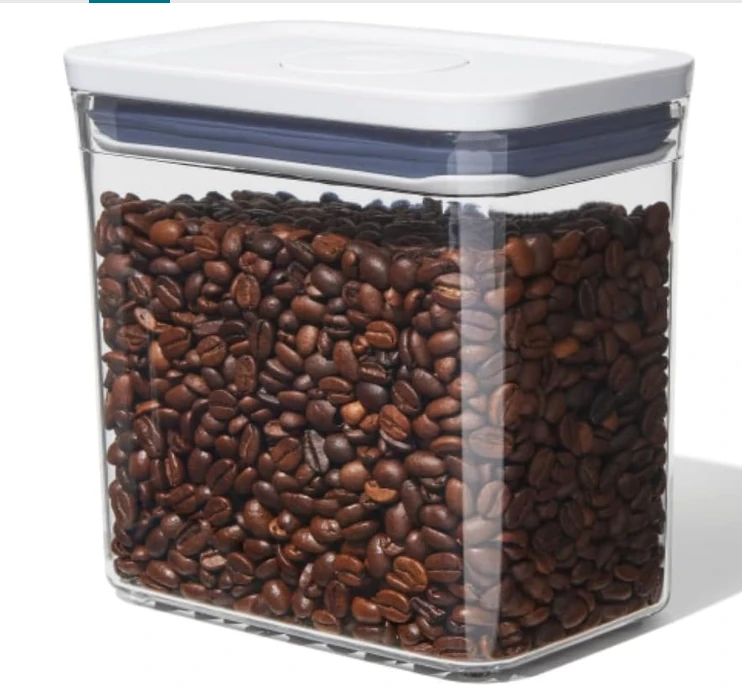 |
OXO Good Grips POP Container 1.7 Qt | An airtight, BPA free and dishwasher safe container, best kept in a dark cupboard | Check Price |
Prices change often, so check the current price before you buy. Our full storage guide has a closer look at each one, including sizes and who each container suits best.
Frequently Asked Questions
How long do coffee beans stay fresh?
It depends on the roast and how you store them, but many roasters suggest using beans within a few weeks of the roast date for the best flavor. Older beans are not unsafe, they simply taste flatter, so an airtight container and a cool cupboard help you get the most from every bag.
Should I store coffee beans in the fridge?
No. The fridge is humid and full of food odors, and condensation forms on cold beans when you open the container in a warm kitchen. A cool cupboard is a better choice.
Can I freeze coffee beans?
Yes, if you freeze them in small airtight portions and take out only what you need. Let a portion thaw sealed before opening it, and avoid freezing the same beans more than once.
How to store coffee beans after opening the bag?
For a week or two, the original bag is fine. Press out the air, roll the top down tightly and use a clip. For longer storage, an airtight container keeps beans fresher than a bag that has been opened several times.
Should I store whole beans or ground coffee?
Whole beans. Ground coffee has far more surface exposed to air, so it loses flavor much faster. Grinding just before you brew gives you the best results.
Do I need a special coffee canister?
No. Any container that is truly airtight and kept in a dark place will do. Valves, vacuum lids and date trackers are helpful extras, not requirements.
In My Opinion
To sum up how to store coffee beans at home, here is the approach I would take:
- Start with an airtight container: it is the biggest single improvement and costs less than most coffee gear.
- Keep it in a dark, cool cupboard: location matters as much as the container itself.
- Buy small and buy often: a bag you finish in a few weeks beats a large one that goes stale.
- Freeze extras carefully: small sealed portions, thawed once, are the only freezer method worth using.
- Grind just before brewing: whole beans protect flavor, so grind only what you need.