
Home Barista Setup Guide 2026: The 5 Essentials You Need to Get Started
A home barista setup does not have to be complicated. This guide covers the five essentials: a burr grinder, a coffee scale, a tamper, a milk frothing pitcher and proper coffee storage. You will see what each one does, what to look for, and how they work together so you can upgrade with confidence, not guesswork.
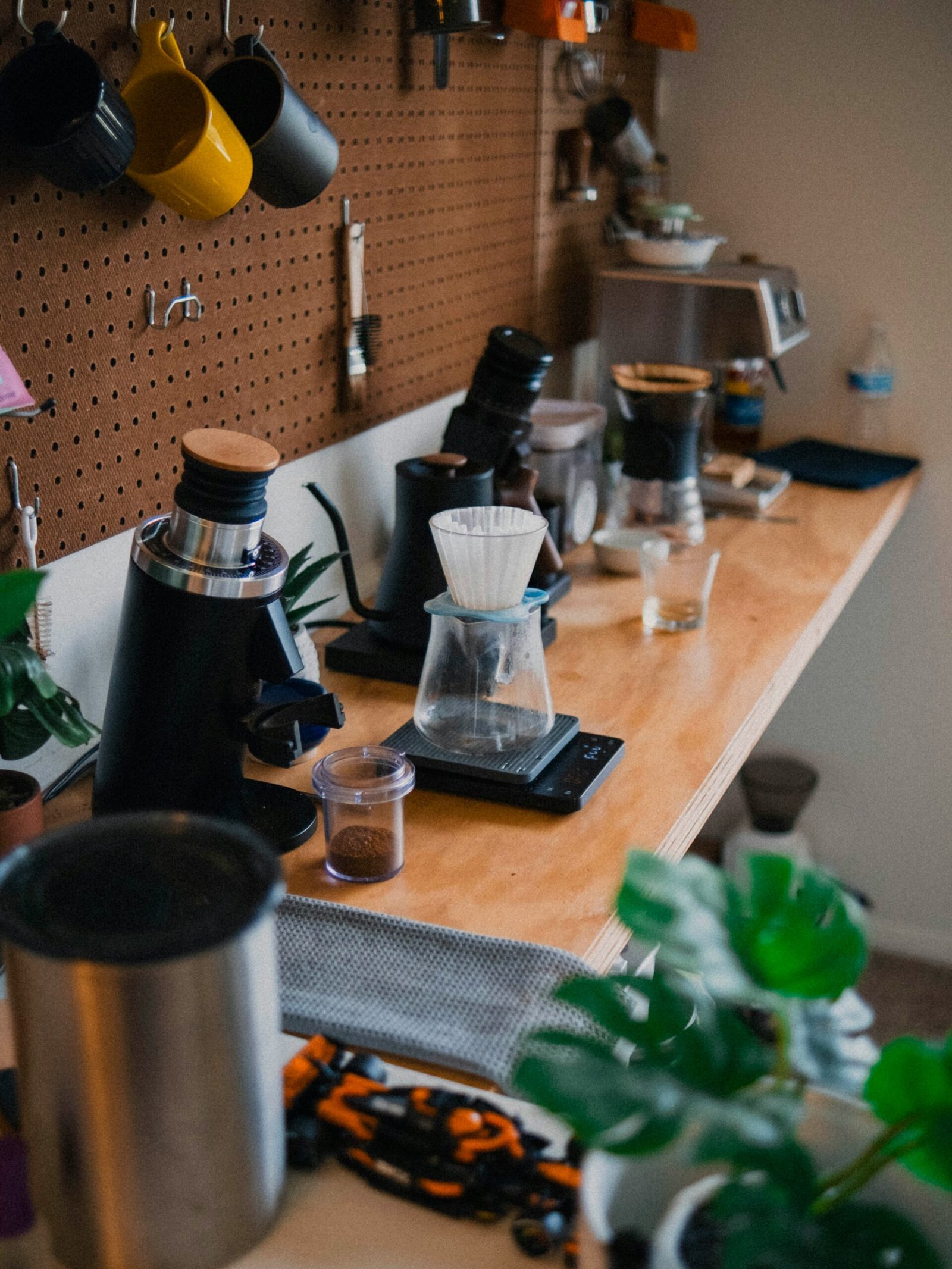
Starting a home coffee setup can feel overwhelming. Between grinders, scales, tampers, milk pitchers and storage canisters, it is hard to know what to buy first and what can wait.
This guide walks through the five essentials in the order you will use them. For each one you will find what it does, what to look for and the common mistakes to avoid, along with links to our detailed buying guides. You will also see how every piece connects to the next, so your home barista setup works as one system instead of a pile of gear. Whether you are pulling espresso shots or making lattes, this is the foundation worth getting right.
The 5 Home Barista Setup Essentials at a Glance
| Essential | Why It Matters | What to Look For | Priority | ||
|---|---|---|---|---|---|
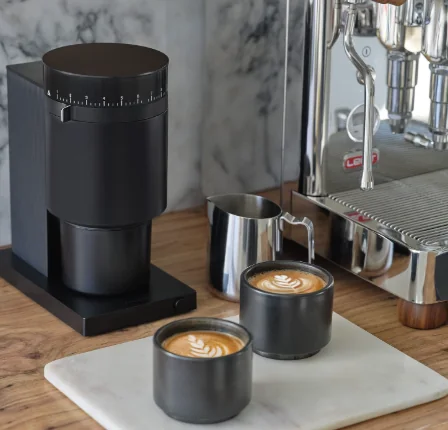 |
Burr Grinder Step 1 of your routine |
Fresh, even grounds are the biggest flavor upgrade | Burr design, fine adjustment | Highest Impact | Read Guide |
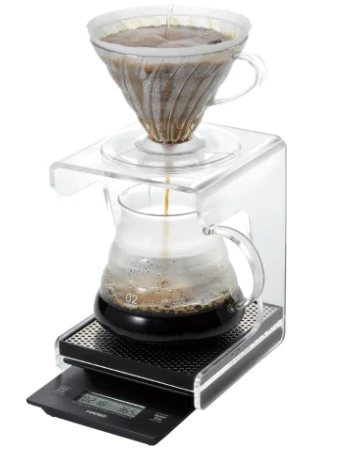 |
Coffee Scale Step 2 of your routine |
Repeatable doses and brew ratios | 0.1g accuracy, built in timer | Very Important | Read Guide |
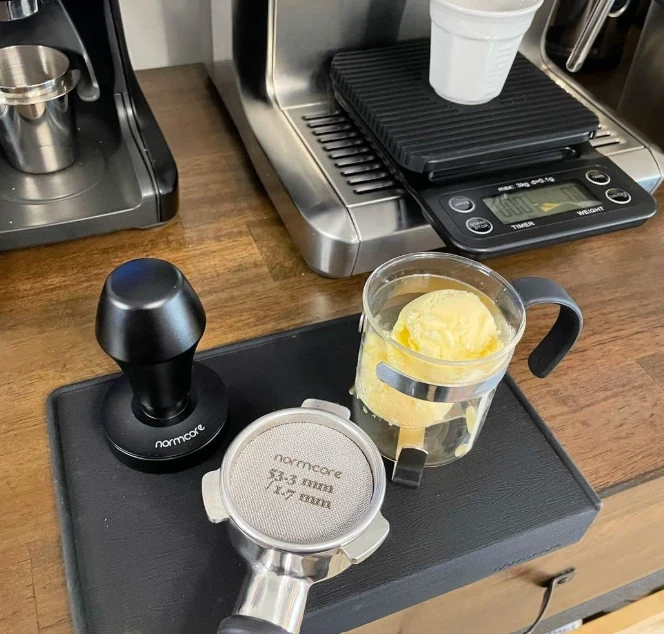 |
Tamper Step 3 of your routine |
A level, even puck for uniform extraction | Size that matches your basket | Important | Read Guide |
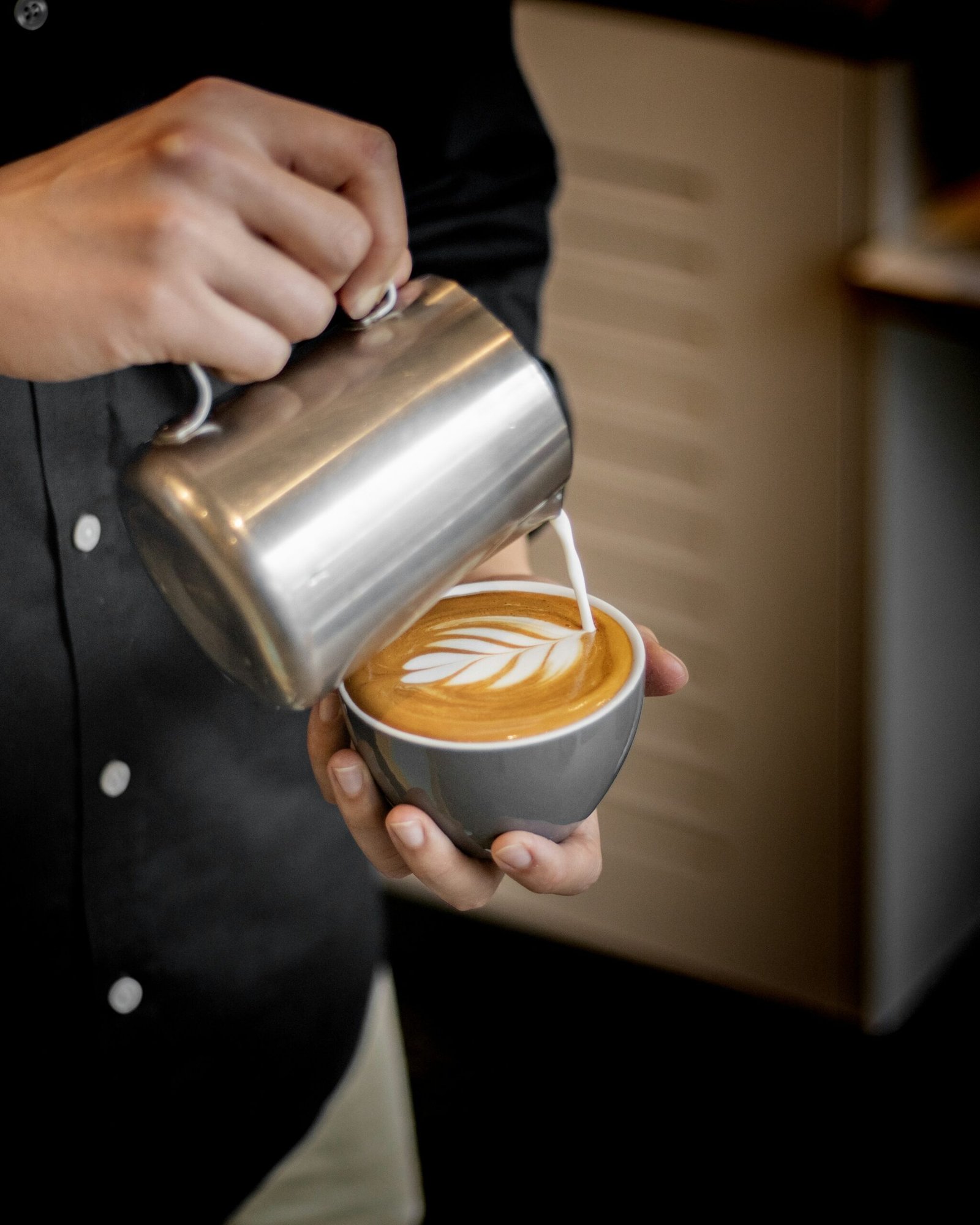 |
Milk Frothing Pitcher Step 4 of your routine |
Control over steaming and pouring milk | Stainless steel, pointed spout | For Milk Drinks | Coming Soon |
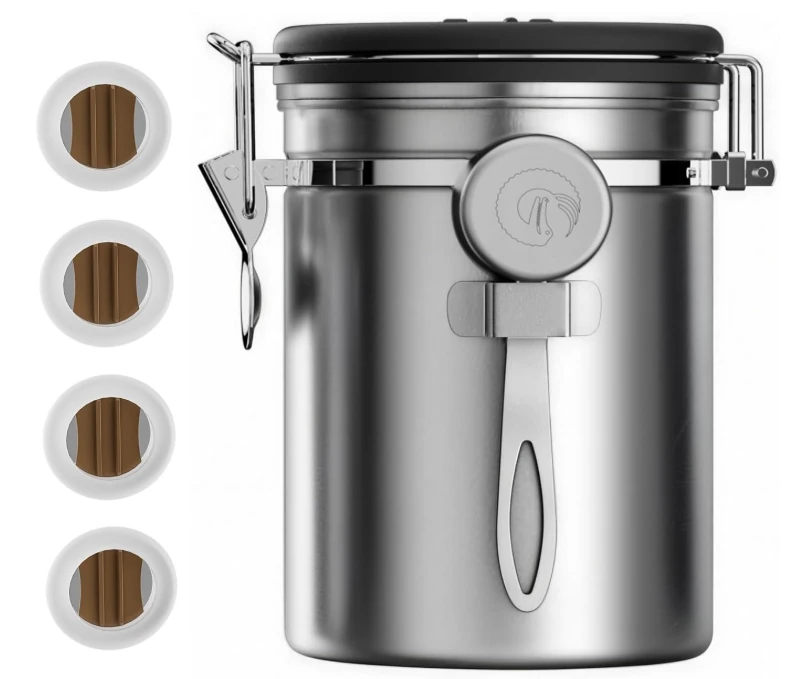 |
Coffee Storage Protects every other step |
Keeps beans fresh for longer | Airtight lid, opaque body | Easy Win | Coming Soon |
How the Five Essentials Work Together in Your Home Barista Setup
Each essential solves one problem, but the real improvement comes from using them in sequence. Here is a simple routine for an espresso drink with milk:
- Store: keep your beans in an airtight, opaque container away from light, heat and moisture.
- Weigh: place your portafilter or cup on the scale, tare it and weigh out your dose of beans.
- Grind: grind the beans fresh just before brewing, using the grind setting you have dialed in for your method.
- Tamp: level the grounds and press them evenly with a tamper that fits your basket.
- Brew and steam: pull the shot onto the scale to check your yield, then steam your milk in the pitcher.
A common starting point for espresso is a 1:2 ratio, for example 18g of ground coffee producing about 36g of espresso, though every coffee is a little different. Because each step is measured and repeatable, you can change one variable at a time and taste the difference. If you prefer filter coffee, the same logic applies to pour over, AeroPress and French press. See our guide to the best coffee brewing equipment for brewer options. To learn more about coffee brewing standards, the Specialty Coffee Association is a helpful resource.
The 5 Essentials Explained
1. Burr Grinder
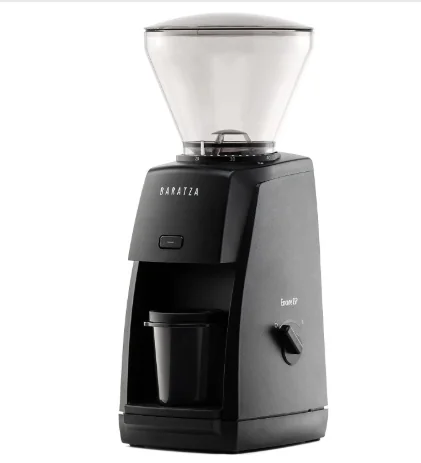
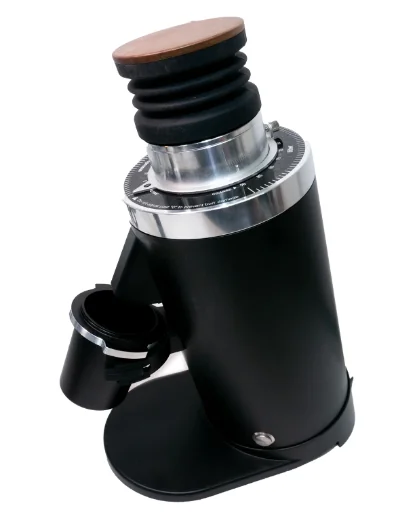
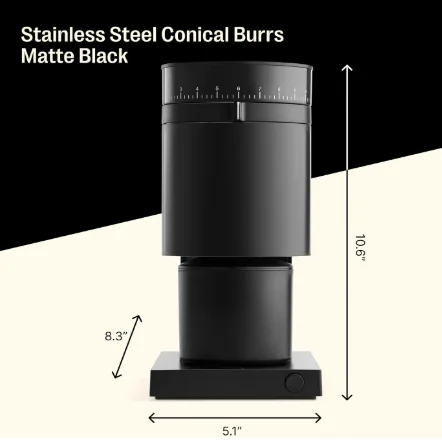
The grinder is usually the single biggest upgrade a home setup can make. Grinding fresh from whole beans just before brewing preserves flavor and aroma, and a burr grinder produces a more uniform particle size than a blade grinder, which helps the coffee extract evenly.
If you plan to make espresso, adjustment range matters just as much as grind quality. You need fine, repeatable steps so you can dial in a shot.
- Conical or flat burrs rather than blades
- Fine adjustment suited to espresso, plus coarser settings for filter coffee
- Hopper and grounds container sized for your daily use
- Burrs and chute that are easy to access and clean
Look For
- Burrs instead of blades for a more even grind
- Enough adjustment range to dial in espresso
- Sturdy build with simple cleaning
Avoid
- Blade grinders that chop beans unevenly
- Settings that are too coarse to dial in espresso
2. Coffee Scale
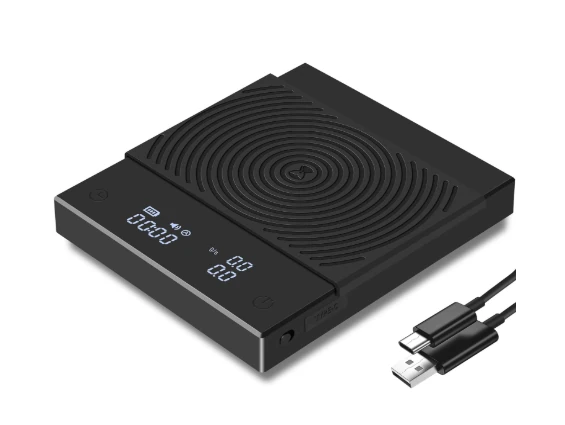
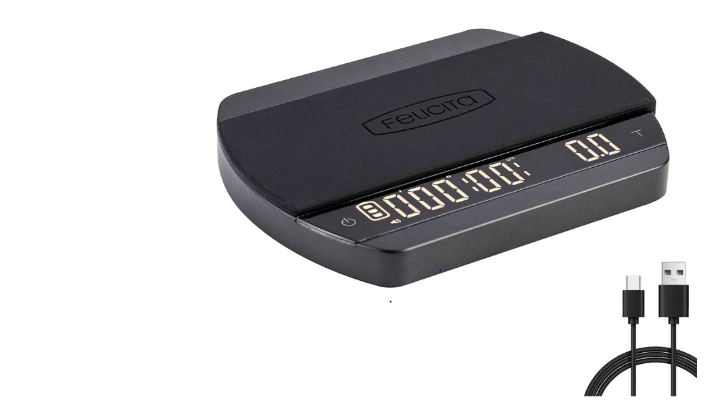
Weighing your coffee and water is the easiest way to make your results repeatable. Cups and spoons vary from scoop to scoop, but grams do not. A scale also lets you follow brew ratios and track how long a shot or pour over takes.
Coffee scales are built for smaller, more precise measurements than a standard kitchen scale, and many include a timer and a slim profile that fits under a portafilter or dripper.
- 0.1g accuracy with a fast response
- Built in timer, and flow rate if you brew pour over
- Low profile that fits under your portafilter or dripper
- Surface that handles spills and a battery you can recharge
Look For
- 0.1g accuracy and a built in timer
- A footprint that fits under your brewer
- Easy to clean surface
Avoid
- Standard kitchen scales with 1g steps
- Bulky platforms that will not fit your setup
3. Tamper
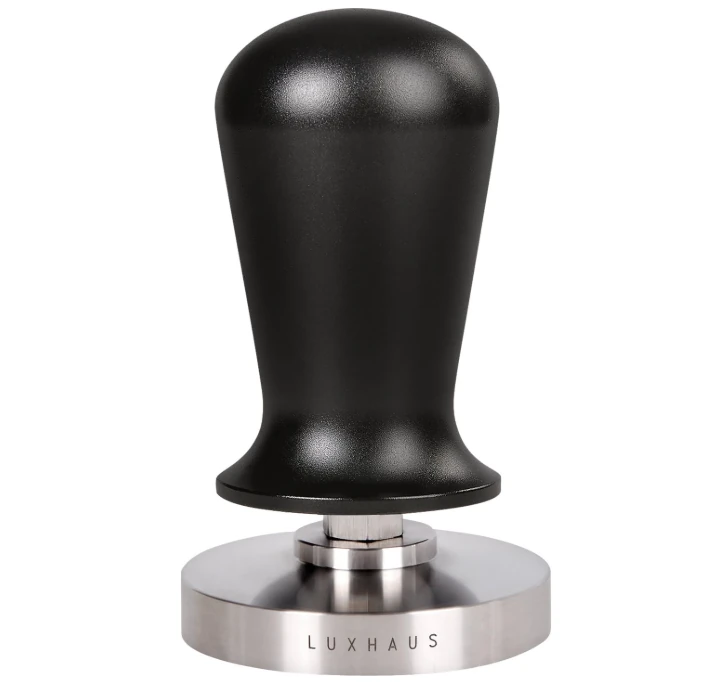
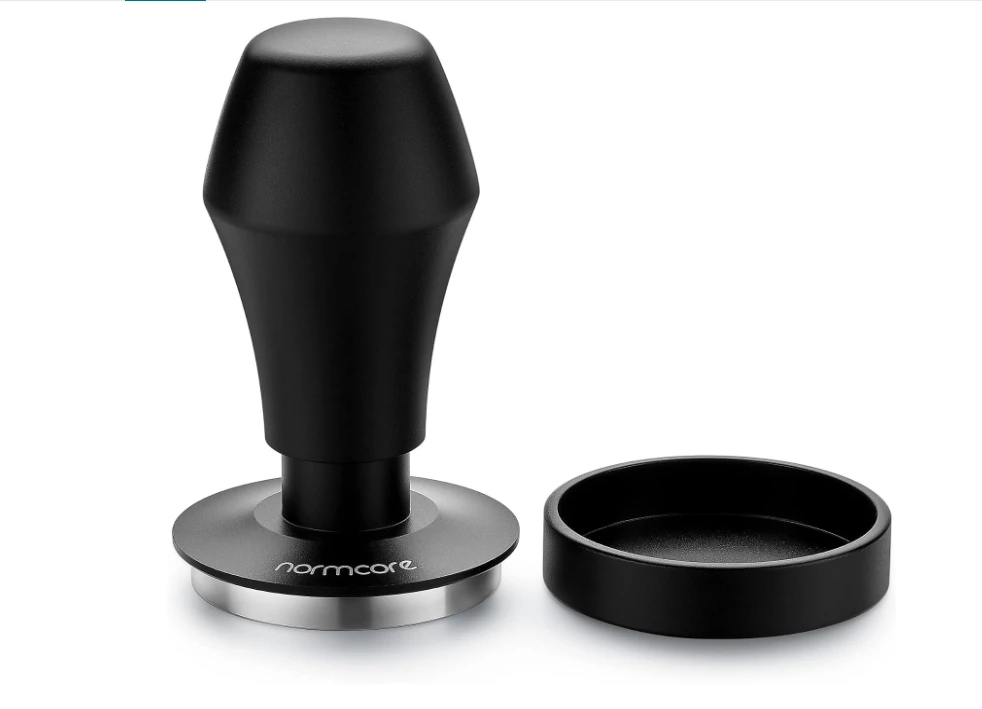
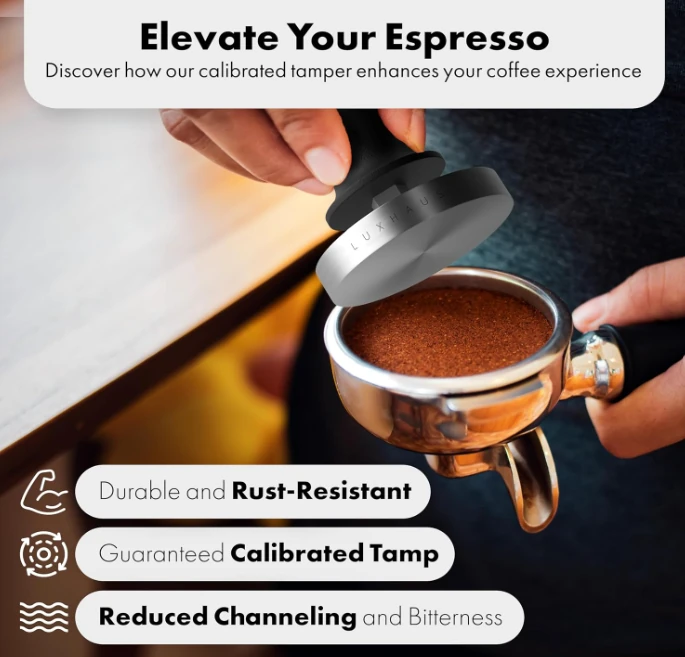
A tamper presses ground coffee into an even, level puck inside the portafilter so water flows through it uniformly. Consistent pressure and a level surface matter more than a heavy tamper.
The most important detail is fit. Measure the diameter of your portafilter basket before buying, since common sizes include 51mm, 53mm and 58mm.
- Diameter that matches your basket
- Flat base for a level puck
- Comfortable handle you can press with steady, even force
- Calibrated or spring loaded options if you want consistent pressure
Look For
- A close fit to your basket size
- A comfortable, well balanced handle
- A flat, level base
Avoid
- Lightweight plastic tampers that can be hard to press evenly
- A size that leaves gaps around the edge of the puck
A dedicated buying guide is coming soon.
4. Milk Frothing Pitcher
If you enjoy lattes and cappuccinos, a milk frothing pitcher gives you control over steaming and pouring. A stainless steel pitcher with a pointed spout makes it easier to swirl the milk and to pour with precision.
Size matters. A smaller pitcher suits a single drink, while a larger one suits two, and steaming a very small amount of milk in a big pitcher is harder to control.
- Stainless steel body that handles heat well
- Size matched to the drinks you make
- Pointed spout for pouring control
- Comfortable, balanced handle
Look For
- The right size for one or two drinks
- A clean pointed spout for pouring
- A handle that is easy to hold
Avoid
- Pitchers that are too large for a single drink
- Poorly balanced handles

A dedicated buying guide is coming soon.
5. Coffee Storage
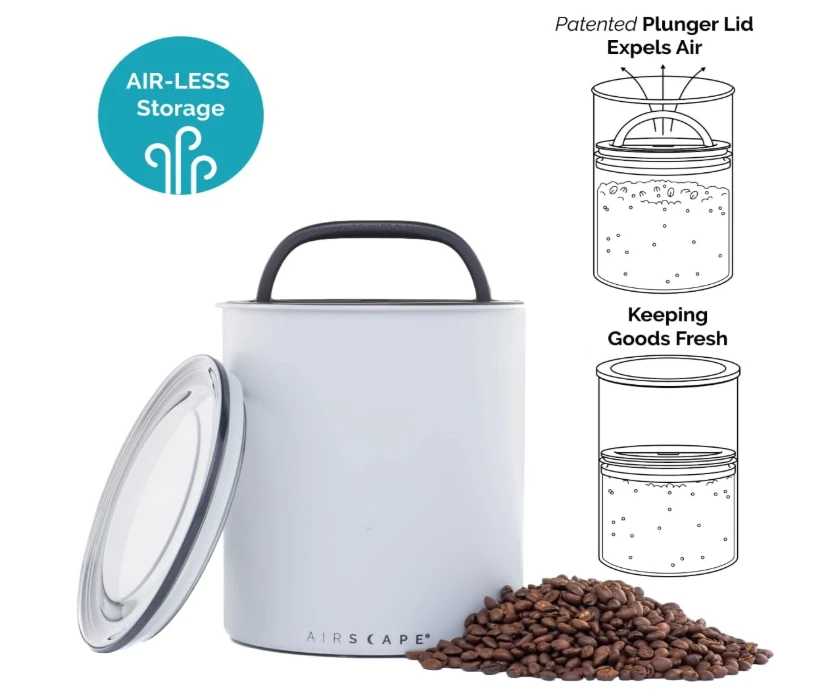
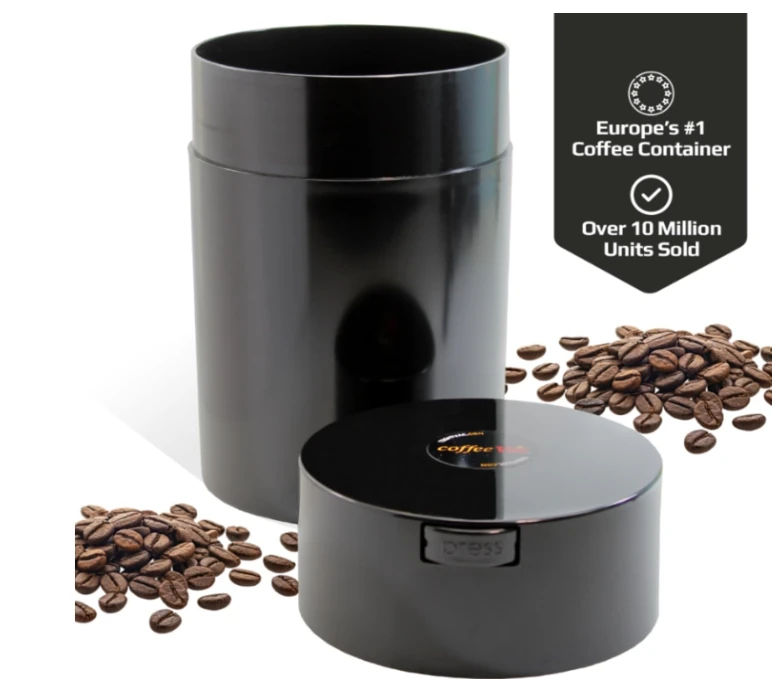
Roasted coffee is at its best when it is protected from air, light, heat and moisture. An airtight, opaque container keeps beans fresher for longer than leaving the bag open on the counter.
Storage is also the cheapest upgrade in this guide, and it protects the money you spend on beans and on every other piece of gear.
- Airtight lid with a reliable seal
- Opaque or light blocking body
- Optional one way valve or vacuum function
- Size that matches the bags you usually buy
Look For
- A tight seal and opaque walls
- The right size for your bags of beans
- A wide opening that is easy to fill and clean
Avoid
- Clear containers on a sunny counter
- Oversized canisters that leave lots of air around the beans
What to Buy First for Your Home Barista Setup
You do not need to buy everything at once. If you are building your home barista setup step by step, this order gives you the biggest improvement for each purchase:
- Burr grinder: better grounds improve every cup, so start here. See the best coffee grinders for espresso.
- Coffee scale: measured doses and ratios make your results repeatable. See the best coffee scales.
- Tamper: an even puck helps your shots extract consistently. See the best coffee tampers.
- Storage container: a low cost way to keep your beans fresh whenever you are ready.
- Milk frothing pitcher: add this when you start making milk drinks.
Frequently Asked Questions
What do I need for a home barista setup?
Besides an espresso machine, a complete home barista setup needs the five essentials in this guide: a burr grinder, a coffee scale, a tamper, a milk frothing pitcher for milk drinks and a container to store your beans.
Which essential should I buy first?
For most people the grinder makes the biggest difference, because fresh, evenly ground coffee affects flavor more than any other accessory. A scale is a strong second purchase.
Do I really need a scale if I already have a good grinder?
A scale makes your results repeatable. Even a great grinder cannot tell you how much coffee you dosed or how much espresso you pulled, and consistent ratios are the easiest way to dial in a shot.
What size tamper do I need?
Match the tamper to the inside diameter of your portafilter basket. Common sizes are 51mm, 53mm and 58mm, so measure your basket or check your machine manual before ordering.
Do I need a milk frothing pitcher if I only drink black coffee?
No. A pitcher is only useful if you steam milk for lattes, cappuccinos and similar drinks. If you drink black coffee or straight espresso, you can skip it for now.
How should I store coffee beans?
Keep them in an airtight, opaque container in a cool, dry place away from direct sunlight and heat. Buying smaller bags more often also helps you use beans while they are fresh.
In My Opinion
Looking at how the five essentials fit together, here is how I would approach building your home barista setup:
- Start with the grinder: it has the biggest effect on flavor, so it deserves your first and largest budget.
- Add a scale next: measured doses and ratios turn guesswork into a repeatable routine.
- Choose a tamper that fits your basket: size and a level base matter more than weight.
- Treat storage as an easy win: it protects your beans and costs less than any other upgrade here.
- Buy a pitcher only if you drink milk: pick a size that suits the number of drinks you make.